
For over 20 years, Epiphany has published literature that guides readers toward unexpected revelation. Learn more about us and the writers we publish.
Use our A-Z index to explore a few themes:
A B C D E F G H I J K L M N O P Q R S T U V W X Y Z
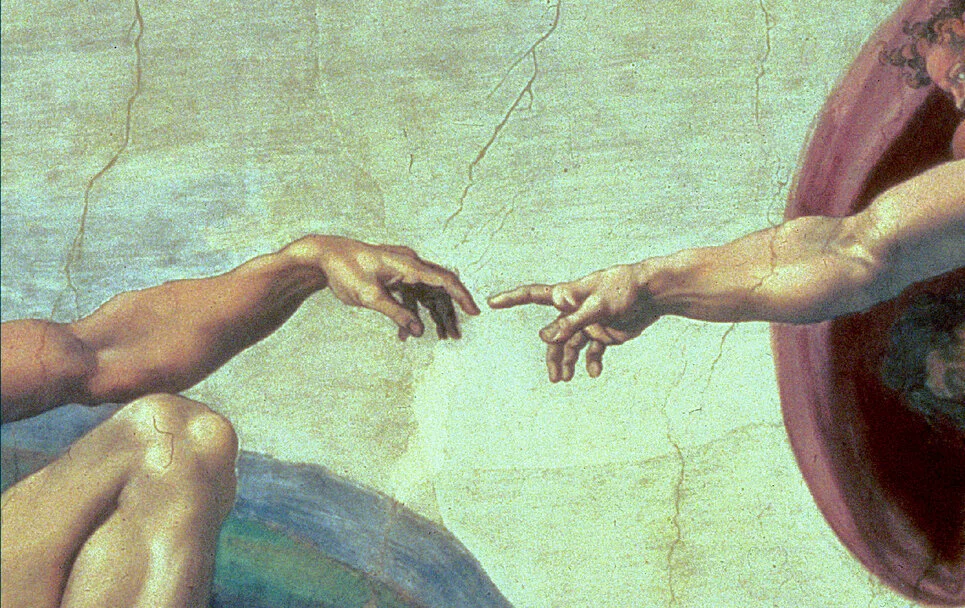
Love, the Verb
Everyone thinks they know what love is, but most have no clue. Reading hooks' works on love, you’ll likely discover, for the most part, that nobody loves you. Not your family, not your friends, not your “lover.” You also might discover that you don’t love anyone either.
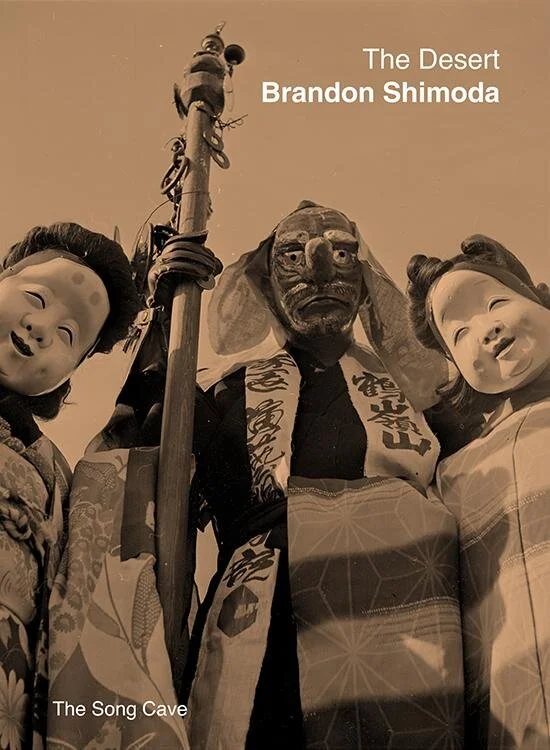
The Panoramic Grave: Rediscovering Brandon Shimoda’s “The Desert”
It is difficult to track the speaker of Shimoda’s poems, as his work permeates the delineation between self and other. With this untethering, Shimoda creates a body of text and formal space that unites human and nonhuman aspects of the desert, embodying it as something internal.
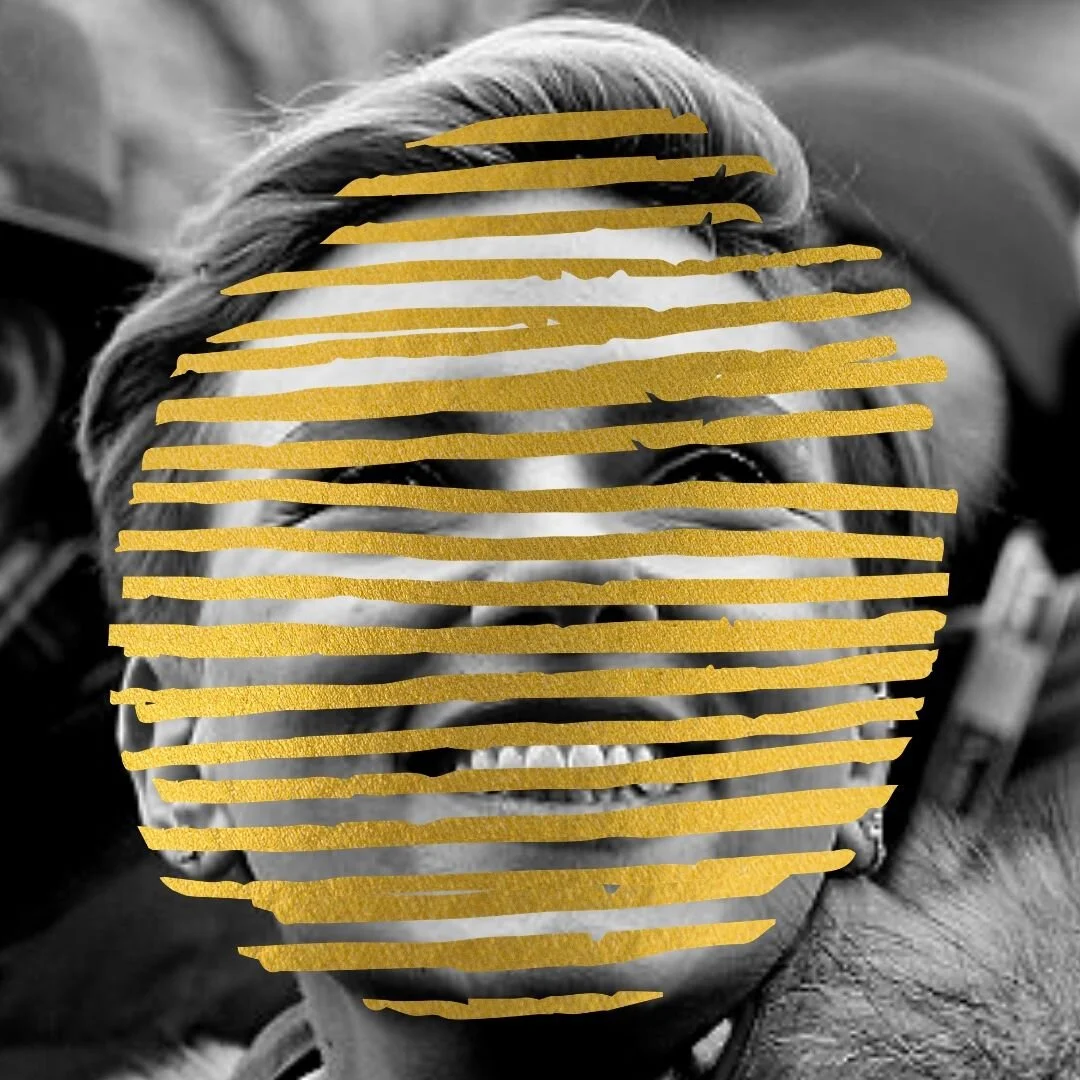
“Sport” & “Disassociation”
“Call this depression on a midnight chime where the dog comes out of a clock and yelps 12 times to compete with my own.”
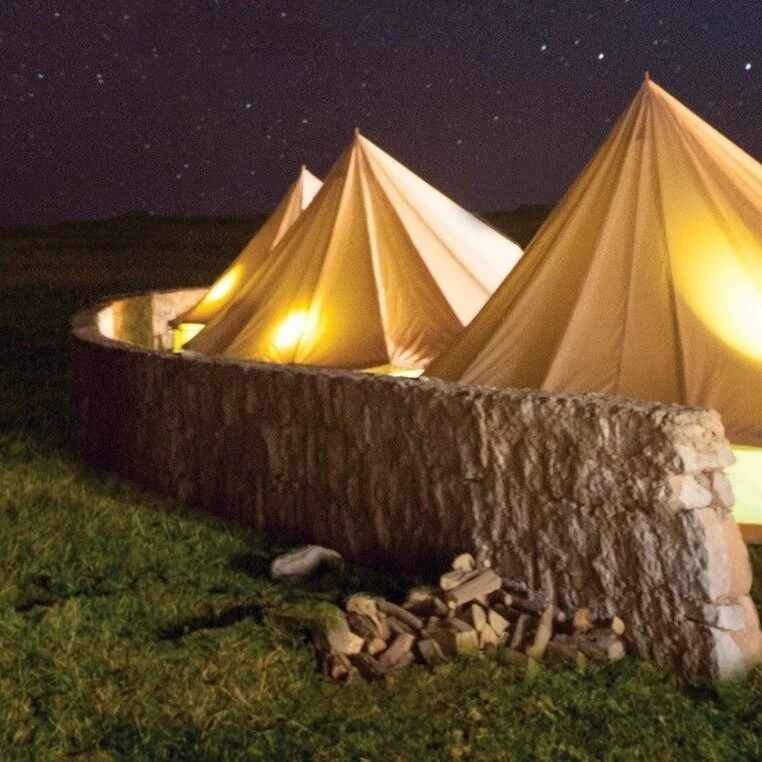
Dystopian Distractions: Apocalyptic Fiction to Read in Self-Isolation
Here are some of the books that have kept me occupied in isolation, and have helped me forget about this mess we’re in, by immersing my imagination in even bigger, scarier messes.
The Ghostliness of Longing: Mary South’s “You Will Never Be Forgotten”
For Mary South, nurturing is just another way for people to connect, an effort her characters rarely accomplish. These stories focus so intently on the space between people that one could forget anyone ever succeeds in uniting.
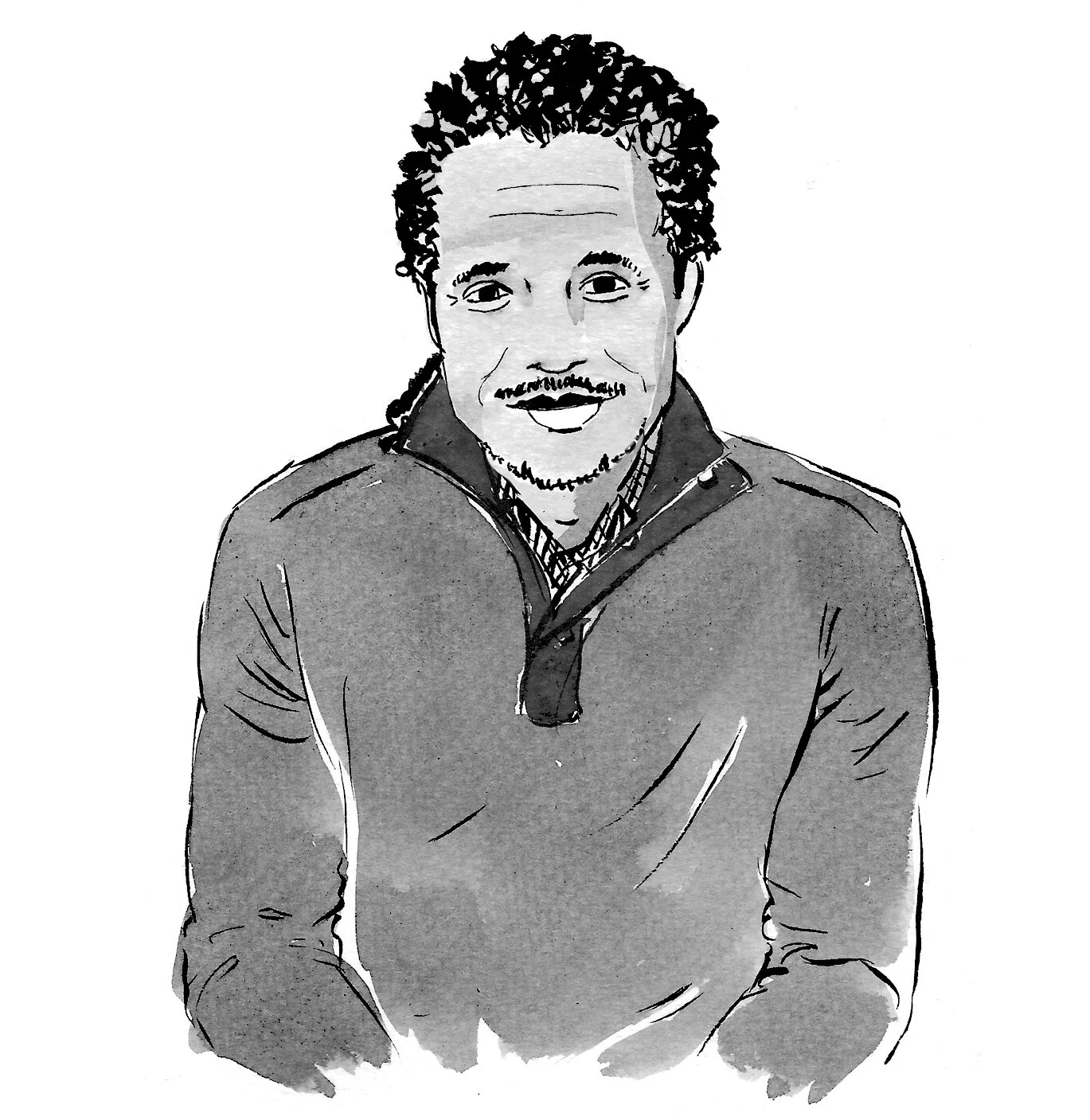
Jamel Brinkley on the Unsettled Past
“I want to be true to the trouble of the traumas that people are going through without writing trauma stories, because the crucial thing is just who these people are. Not what happened to them, but who they are. I like the idea of aftermath stories. “
◉ Bulletin Board
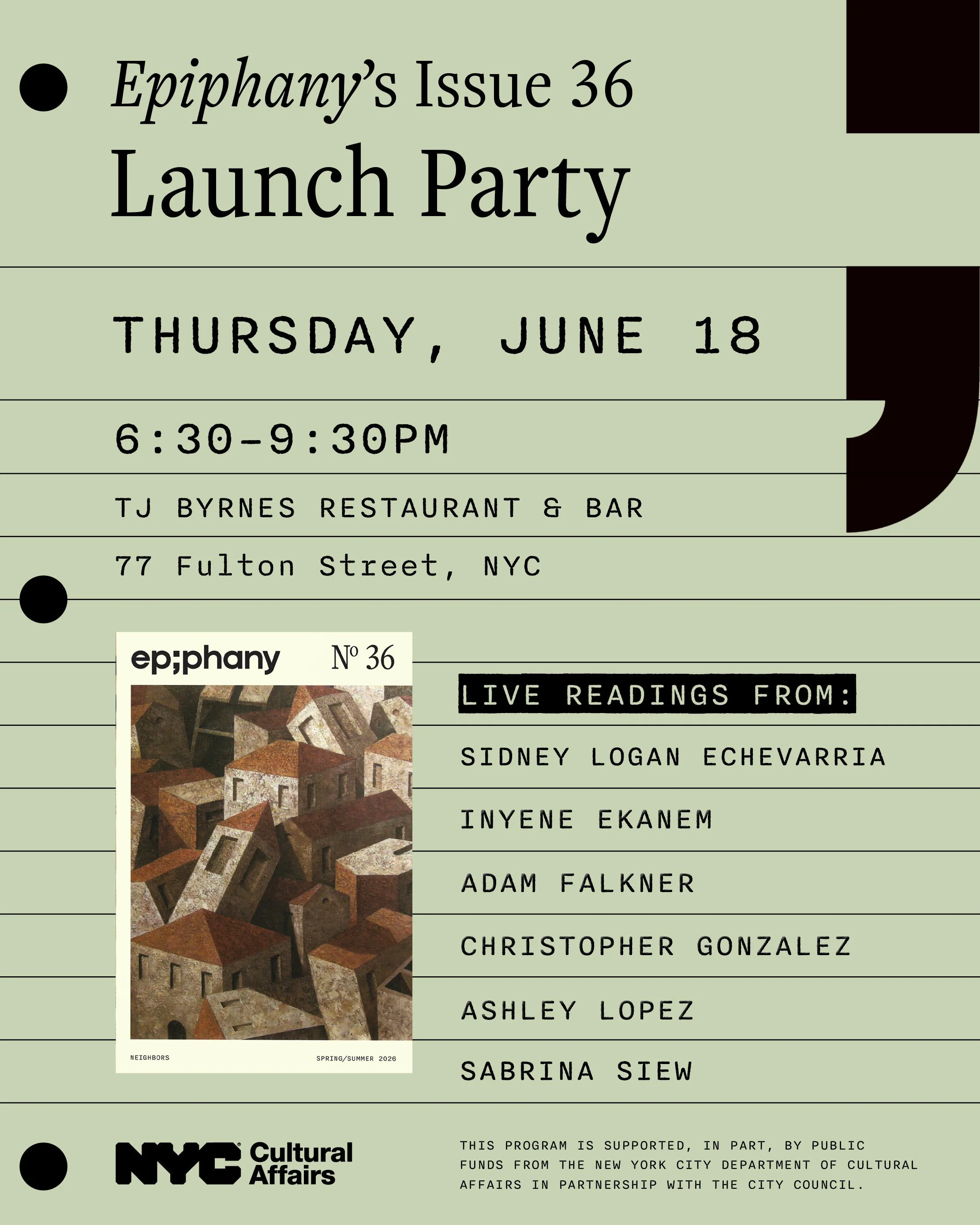


The winners of the 2026 Breakout Prize are Nico Amador in poetry, selected by Cynthia Cruz, and Imogen Osborne in prose, selected by Alexandra Kleeman.