
For over 20 years, Epiphany has published literature that guides readers toward unexpected revelation. Learn more about us and the writers we publish.
Use our A-Z index to explore a few themes:
A B C D E F G H I J K L M N O P Q R S T U V W X Y Z
Triage for the Unsaid
The waiting room is a collage of almosts: almost asleep, almost calm, almost able to explain.
Healing Through Stories: Lessons from Madness Memoir
“I needed to know that others had endured what my family was going through, regardless of the outcome.”
Spring in Ohio
“All I can think is that everywhere March must be different. The fat man, bearded, in thong sandals, tells me dryer #1 is broken, holds up to me his limp sweatpants—It didn’t dry a thing, he says.”

Brief and Continuous Encounters with Brief Encounters: Lenney and Kitchen’s Collection of Contemporary Nonfiction
“Why did you put your eye on other things? Why did it all go on without you?”
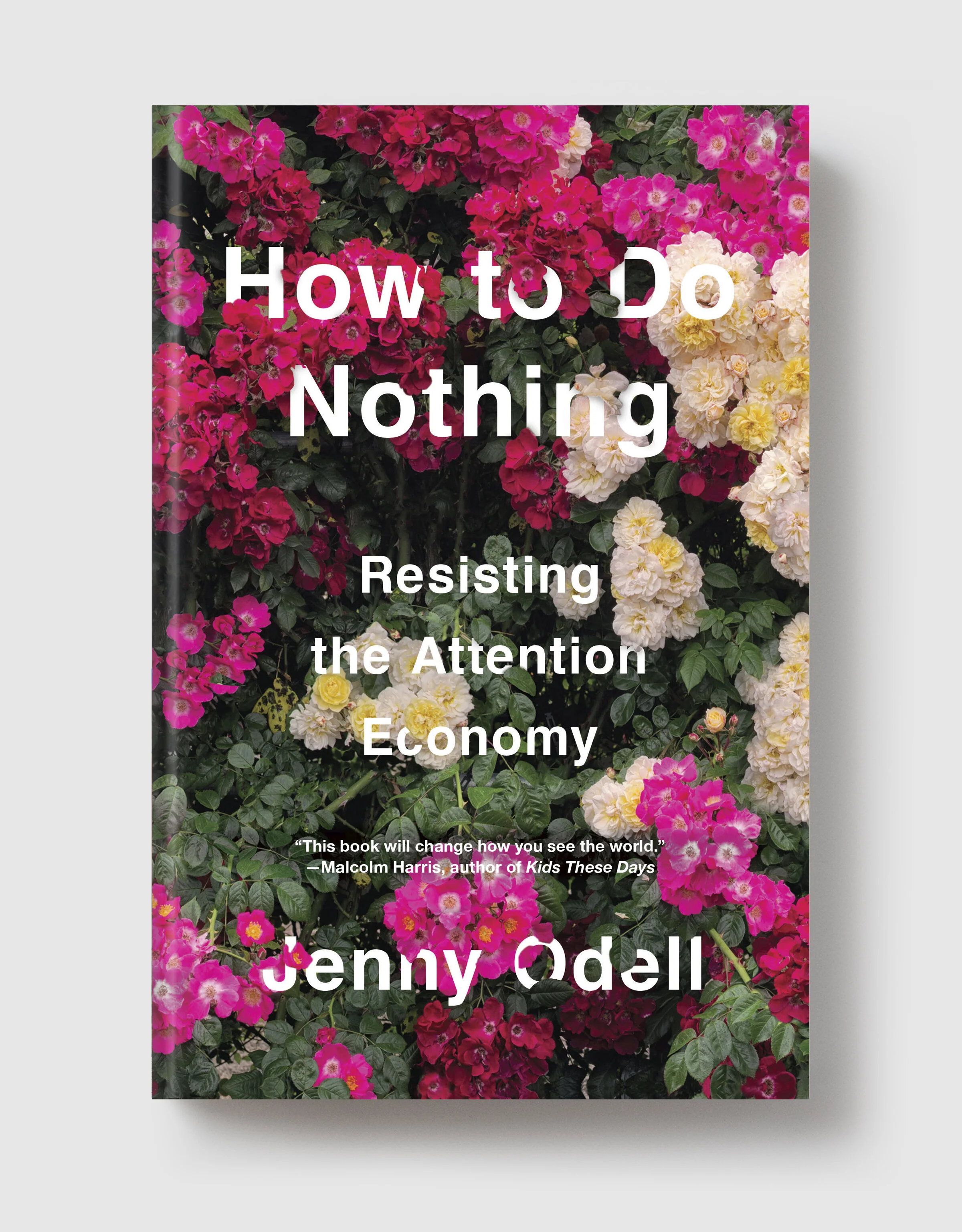
What We’re Reading Now: Embracing Jenny Odell’s “How to Do Nothing” During Shelter-in-Place
“By preventing myself from thinking about how to do more with my day or why I hadn’t accomplished as much as so-and-so—by ‘doing nothing’—I constructed a new framework of what mattered to me.”

After the Election
“What he didn’t understand was that the more heavenly our experience, the starker its contrast with my mind’s occupations, the wider the chasm would yawn between us, the more alienated I’d be. It was like the story of Moses, in which the water of the Egyptians was turned into blood. A curse had crippled me. Shown blue ocean, I saw crimson gore.”
◉ Bulletin Board

The winners of the 2026 Breakout Prize are Nico Amador in poetry, selected by Cynthia Cruz, and Imogen Osborne in prose, selected by Alexandra Kleeman.